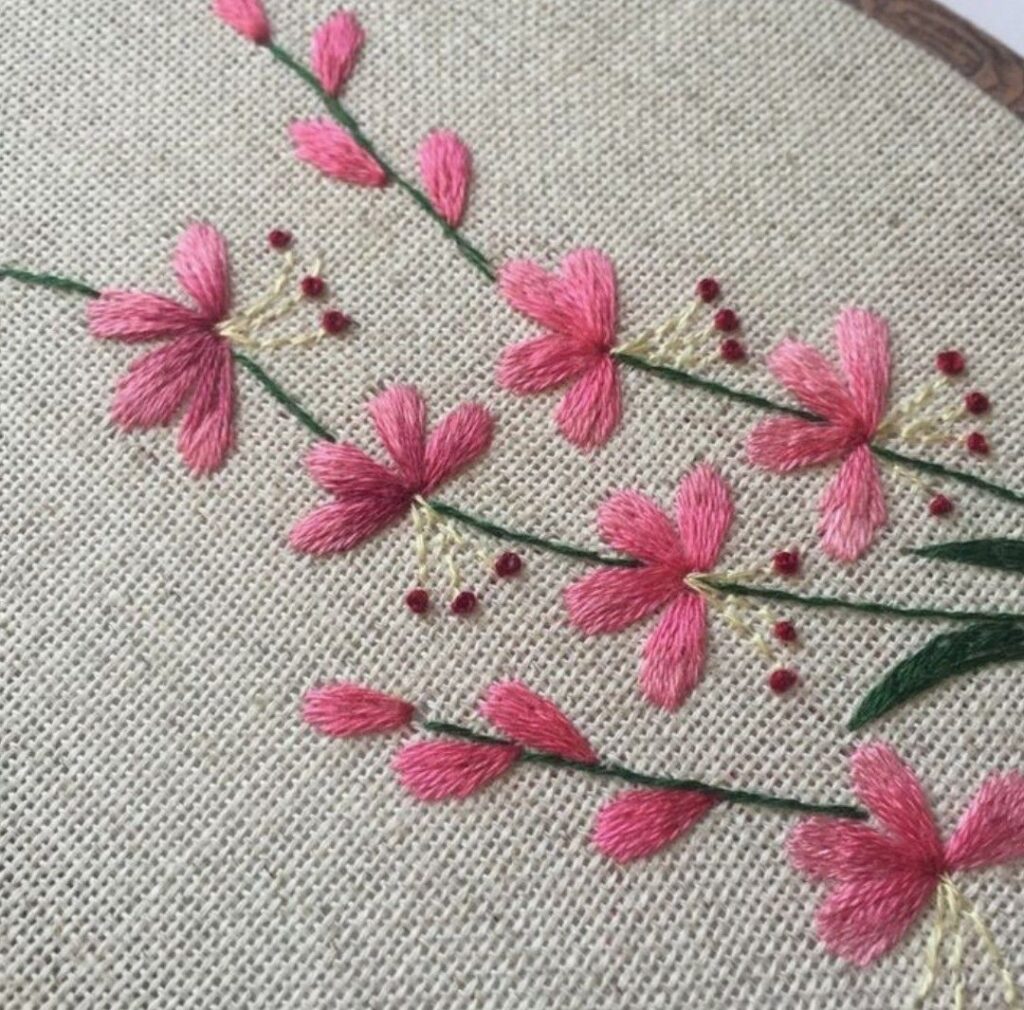
Embroidery is a traditional craft that involves decorating fabric with a needle and thread to create intricate designs, patterns, and textures. It holds historical significance, dating back centuries, and has been employed globally for cultural, religious, and artistic expression.
In a world filled with mass-produced products, handmade craftsmanship continues to hold a special place. Among traditional crafts, hand embroidery stands out as one of the most beautiful and expressive art forms. Every stitch reflects patience, creativity, and human skill.
From clothing and home decor to accessories like pouches, tote bags, and book sleeves, hand embroidered products carry a charm that machines simply cannot replicate.
At RUDHAA, hand embroidery is at the heart of the design process. Each product is carefully stitched by hand, turning everyday accessories into meaningful pieces of craft.
Its importance lies in preserving cultural heritage, fostering creativity, and connecting generations through the timeless art of stitching. In contemporary times, embroidery continues to thrive as a versatile form of personal expression, contributing to fashion, home decor, and personalized keepsakes.
Embroidery from around the world is a vibrant tapestry of cultural expression, reflecting the diversity and creativity of communities across the globe. From the intricate floral patterns of Indian chikankari to the geometric precision of Middle Eastern Palestinian embroidery, each region has its unique style and technique.
Chinese silk embroidery boasts a millennia-old tradition, emphasizing precision and symbolism, while Mexican Otomi embroidery dazzles with its bold, colorful depictions of flora and fauna. Nordic countries showcase their folk traditions through intricate Nordic Hardanger embroidery, characterized by cutwork and satin stitch.
The rich history of African embroidery, with techniques like Aari and Sashiko, adds another layer to the global tapestry of textile art. These diverse embroidery traditions not only serve as a means of artistic expression but also as a testament to the cultural heritage, stories, and craftsmanship passed down through generations.
Indian embroidery is a kaleidoscope of intricate craftsmanship, reflecting the country’s rich cultural heritage. Renowned for its diversity, each region boasts a distinct style. The dazzling threadwork of Zardozi in North India, with its metallic embellishments on silk and velvet, contrasts with the vibrant and geometric Phulkari of Punjab.
Kantha from West Bengal captures the essence of storytelling through stitched narratives, while the delicate Chikankari of Lucknow showcases timeless elegance in white-on-white threadwork. From the mirror-studded beauty of Kutchi embroidery in Gujarat to the elaborate silk thread artistry of Kashmir’s crewelwork, Indian embroidery is a testament to the nation’s artistry, history, and meticulous craftsmanship.
Machine embroidery revolutionizes the traditional art of stitching, seamlessly blending technology with craftsmanship. Utilizing computerized machines, intricate designs are programmed, and needles intricately stitch patterns onto fabric.
Hand embroidery is the art of decorating fabric using a needle and thread, stitched manually by artisans. Unlike automated production, every pattern, motif, and stitch is created by hand.
This traditional technique has been practiced across cultures for centuries and continues to be appreciated for its detail and individuality.
Because it is done by hand, handmade embroidery often features subtle variations in stitches, which make each product unique.
Handmade embroidery and machine embroidery differ in various aspects, including the process, artistry, and end results:
Process:
Artistry:
Versatility:
Customization:
Cost and Speed:
Both hand and machine embroidery have their unique merits, and the choice between them often depends on factors such as the desired outcome, budget, time constraints, and the level of personalization required.
Despite the rise of automation, people continue to value handmade crafts. Hand embroidered gifts and accessories are often chosen because they reflect authenticity, creativity, and thoughtful craftsmanship.
Handmade embroidery is especially popular for:
• unique fashion accessories
• sustainable handmade products
• thoughtful gifts
• artisanal home decor
• creative lifestyle products
Owning a hand embroidered item feels more personal because it carries the story of the artisan who created it.
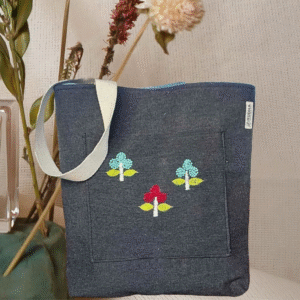
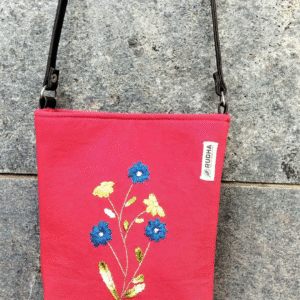
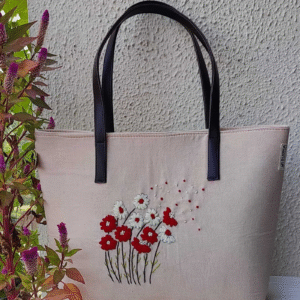
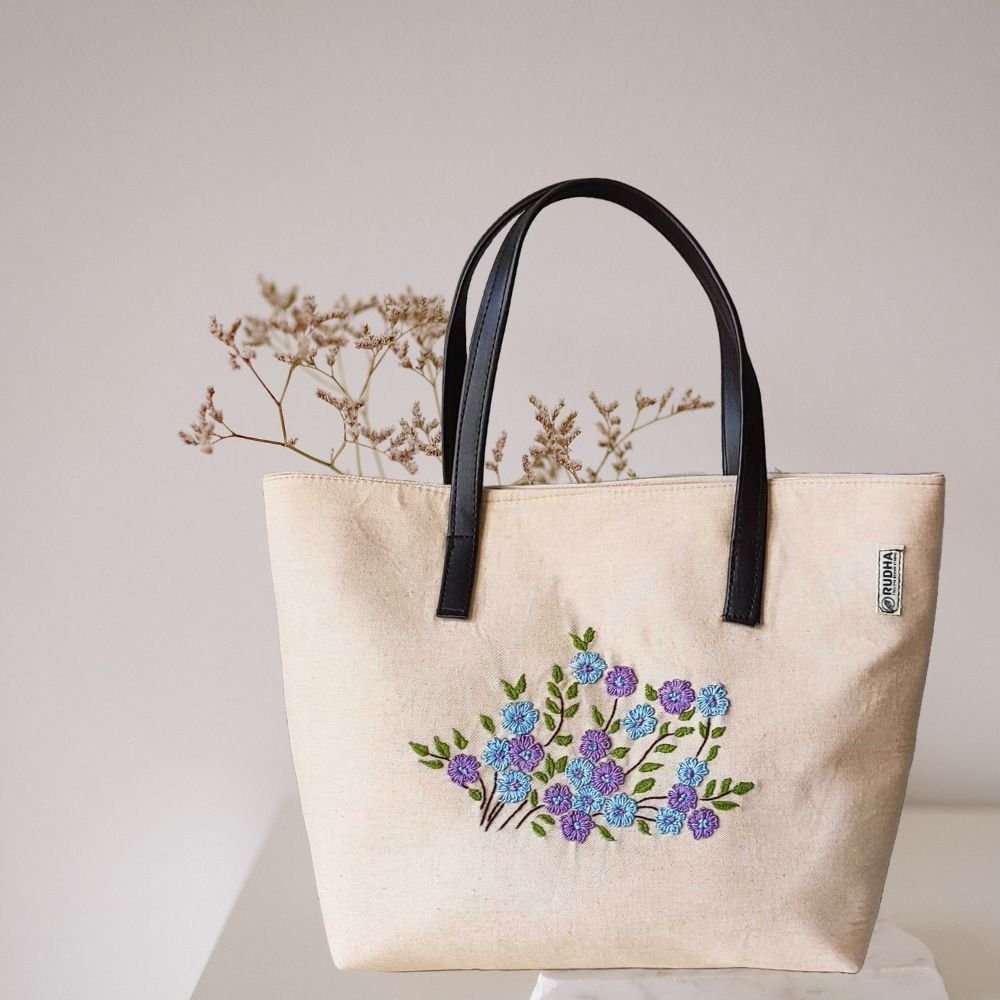
At RUDHAA, hand embroidery is used to create accessories that combine functionality with artistry. From hand embroidered book sleeves and pouches to tote bags and lifestyle accessories, each product is designed with attention to detail and craftsmanship.
The embroidery adds character and elegance to everyday items, transforming simple cotton accessories into beautiful handcrafted pieces.
These hand embroidered gifts are loved by readers, travelers, and people who appreciate handmade products that celebrate creativity and individuality.